
CPA and Bookkeeping Lubbock Alternative CPA Lubbock.Books closed, payroll set, return ready
You came for books that match the bank, payday set up on the service you already use, and a return built from those finished months. The Tax CFO on these pages is Steven Palmieri, also called the Entrepreneur's CFO, and the close happens with you.
Start from the open books.

You will be talking to the Steven Palmieri practice.
Books the bank can read.
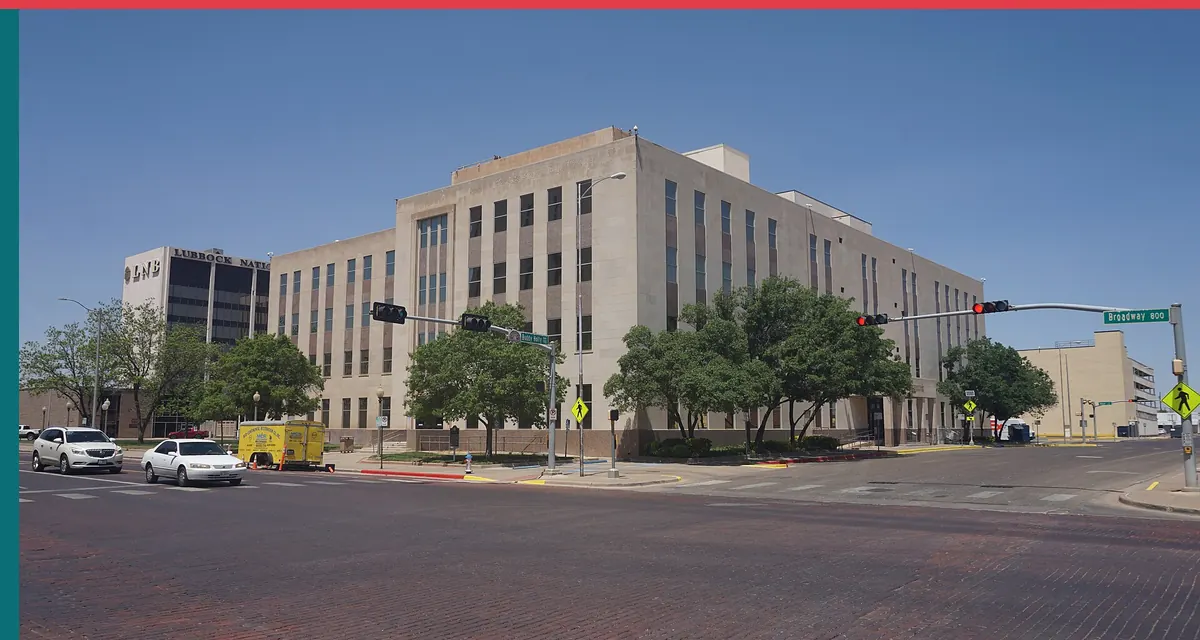
The county courthouse block is the one people point at on Broadway. We can all appreciate a building the whole town can name. A lender gets the cash figure the bank already shows.
Click to see the books ›Tap to see the books ›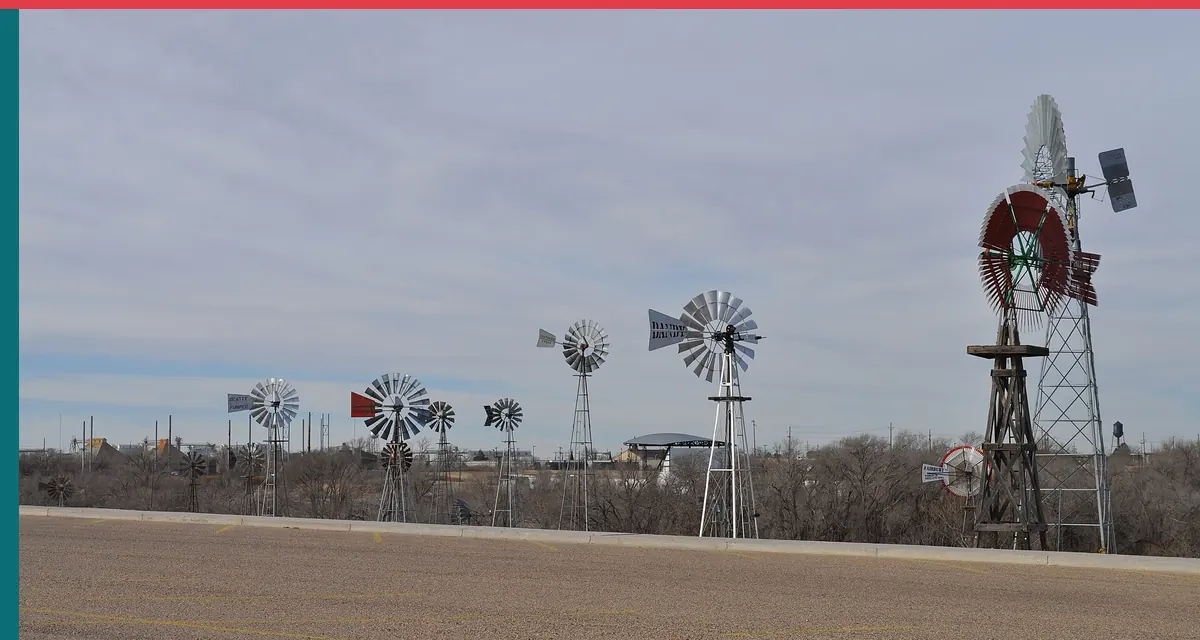
Windmills, then payday.
The windmills east of downtown keep their own hours. We are all Texans, and the payday items are written first, turning or still.
Click to see payday ›Tap to see payday ›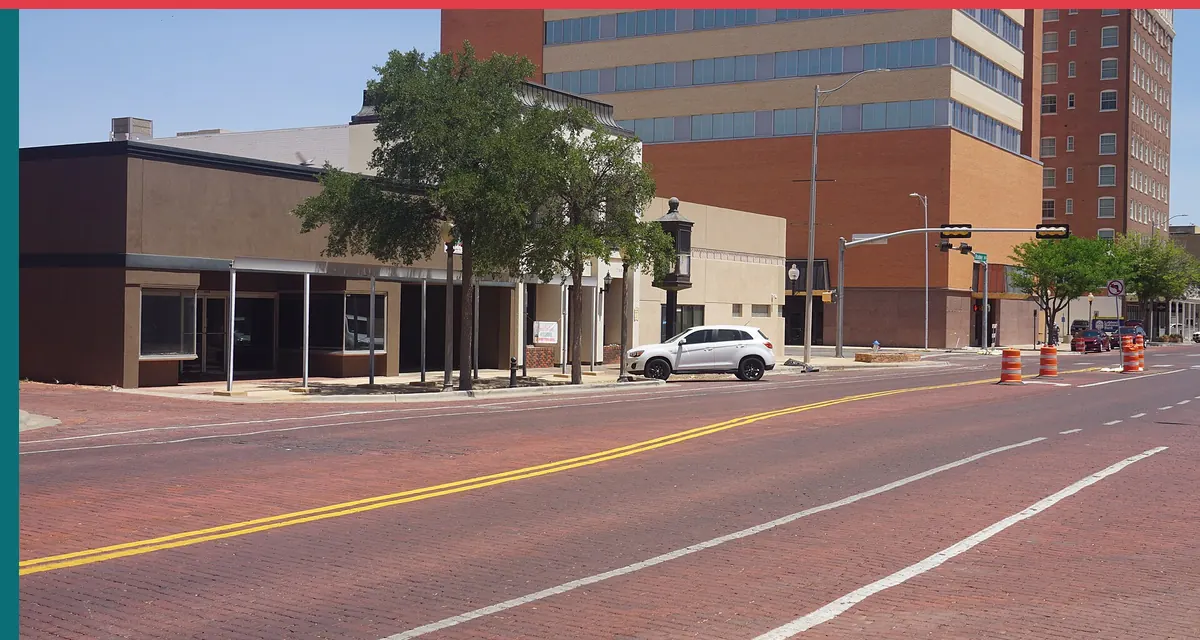
The Fourth on Broadway.
Every Texan knows that street closed and the town out in the heat. We share the pride. The next morning the bank still has to match.
Click to see Broadway ›Tap to see Broadway ›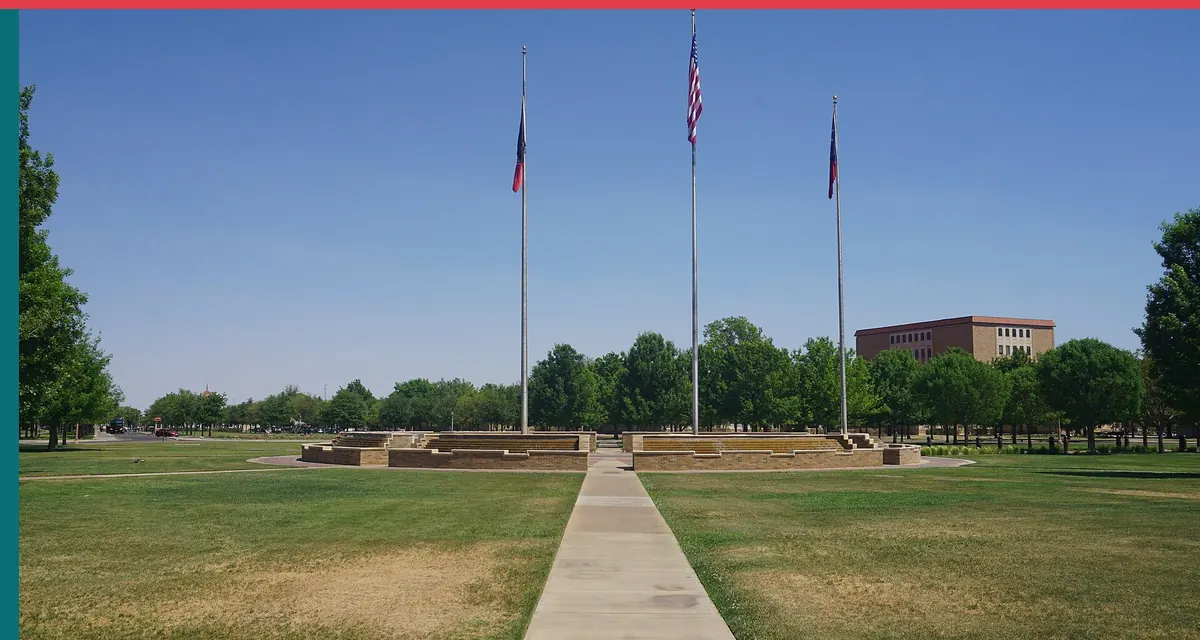
Lights, then November.
Every Texan who has waited near Memorial Circle knows the Carol of Lights. We share that quiet. November still wants the cash matched.
Click to see the lights ›Tap to see the lights ›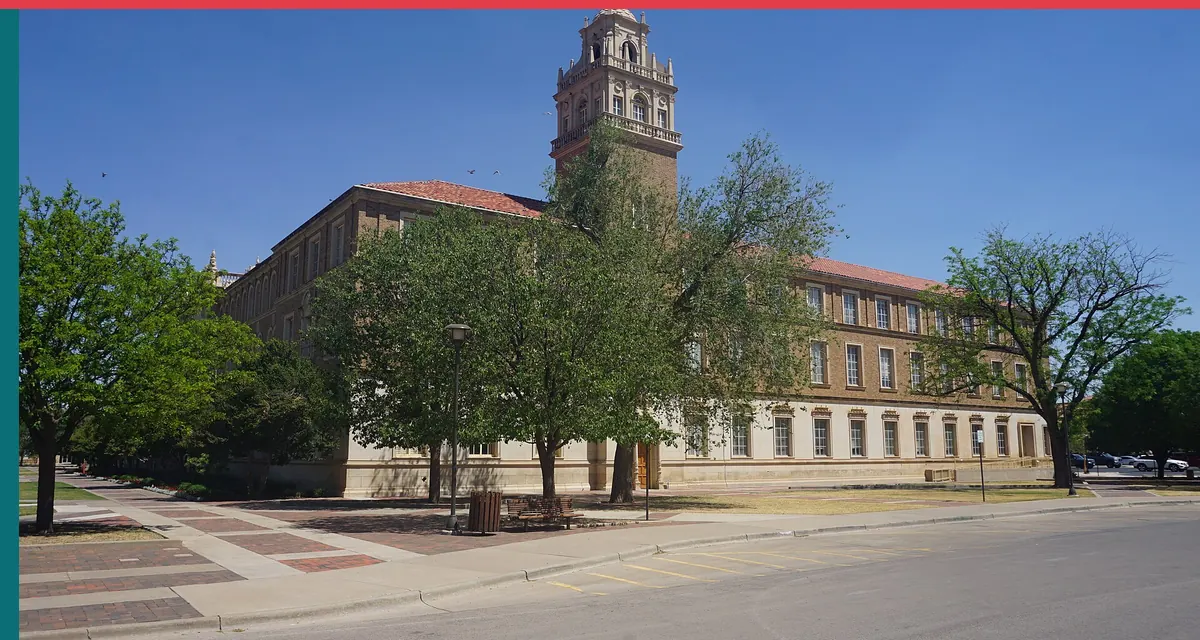
The building on the postcard.
Texas Tech's administration building is the postcard view. We share that pride from anywhere in the state. A lender still reads that month against the bank.
Click to see the postcard ›Tap to see the postcard ›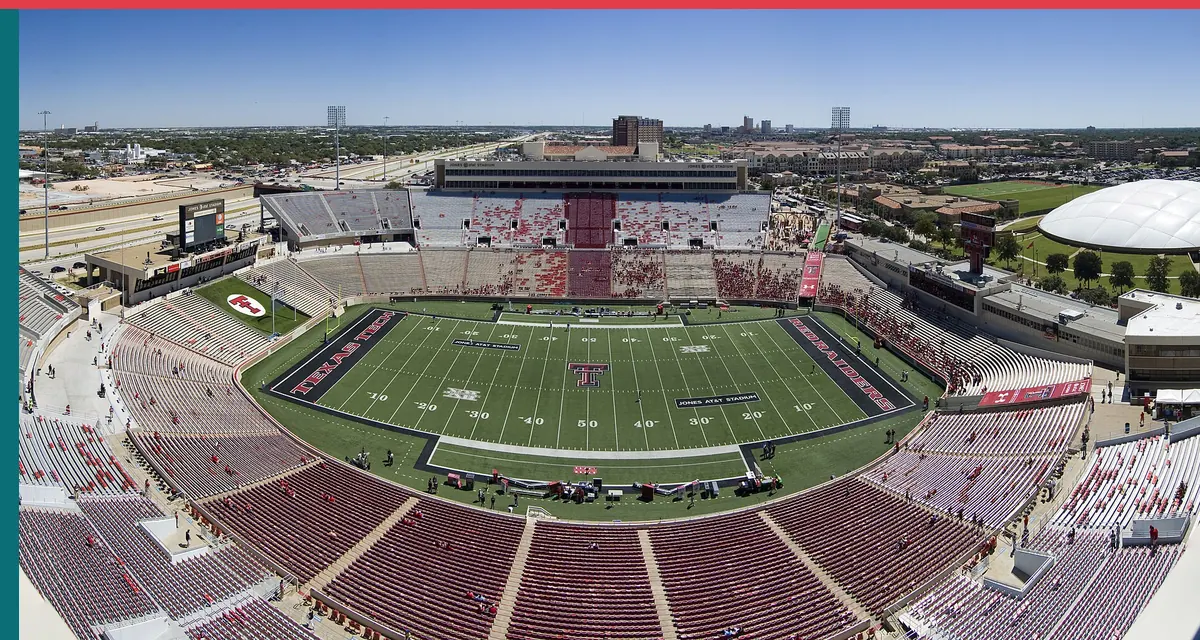
Saturday at the Jones.
Every Texan knows a Saturday when the Jones fills. We share that noise from anywhere in the state. Monday still wants the week's deposits matched.
Click to see the Saturday ›Tap to see the Saturday ›
Six dates before a South Plains winter
Open a date.
1January
January is when the fourth quarter sales tax lands on the twentieth, and we prepare it from a month that already matches the bank.
We build the figures, and you still sign what the state asks you to sign.
2April
April is when a year of profit can surprise an owner who sent nothing quarterly, and we would rather see that balance while March is still open.
We estimate from the closed months, and you decide what to send.
3May
May is the franchise report, and a report is still due even when the threshold says no tax is due.
We prepare the report from the closed year, and you file it on the Comptroller account you already hold.
4July
July is the second quarter sales tax and the midyear look at whether the estimates still fit the year you are actually having.
We tie June to the bank before that payment is guessed.
5September
September is cotton on the South Plains, and a harvest deposit only helps the month if it already matches the bank.
We ask which account the deposit hit before anyone calls the month closed.
6December
December is the set of statements a lender wants before a loan renews, built from months that already agree with the bank.
We assemble the statements, and a cover that needs a signature goes to a firm allowed to sign it.
The practice mark.
Click to see the mark ›Tap to see the mark ›
Steven Palmieri's mark is the one on this page. The role is Tax CFO, the one owners on the South Plains call the Entrepreneur's CFO.
Owners in Lubbock meet us on a video call, with the books open between us and a calendar link for the close. The day named for the month stays put because the call is on a screen.
Three jobs.
Click to see the work ›Tap to see the work ›
People who land here usually want three jobs handled together, not a single form. The first job is the month whose closing cash already agrees with the statement the bank posted. Write the payday items onto the provider you already operate. Prepare the return from months that are actually finished. Around those jobs sit the reconciliations, the statements, and a set of figures you can read to a lender without opening a second file. Doing the work while the year is still open means a purchase, what you pay yourself, or a retirement contribution can still move before December closes the door.
The relief is quiet. Once a month matches the bank, the next conversation can be about the shop, the crew, or a loan that is coming due, instead of about which screen is telling the truth. We would rather hand you that month than a list of questions nobody wrote down.
A finished calendar year is not the ticket in. Bring the newest month the bank already agrees with, plus a plain count of the loose months after it. We begin on that month. When the loose stretch is the wrong job for this practice, you hear a no, and nothing starts.
No return leaves this practice while a month in that stretch still disagrees with the bank. Pressing payday stays your job, and our part is writing the items on the service you already use. The same practice that closes March can still talk about the return in July. If the packet needs a signed cover, that page is written by a firm allowed to sign, and we tell you that before December. We name which of those comes first, and we name it before anything is signed.
One person for the year.
Click to see the person ›Tap to see the person ›
March and July stay with the same practice, so a summer question does not get passed to a stranger.
The matched month.
Click to see the month ›Tap to see the month ›
Closing a month means the bank, the cards, and the books are forced to tell one story. A tick in a reconciled box does not mean the lines were walked. We walk the lines until the gap is zero or the gap has a name, a date, and a person. The statements come after that walk. A report for a lender is the same numbers, pulled once, not a second set of books.
We keep a plain map the return can follow later. Money that came in, the heavy costs, what you paid yourself, and the cash still sitting in the bank. Those four lines ought to match in January, while a draw or a deposit can still be fixed. The map is dull on purpose. Dull is what keeps spring from turning into a rescue.
Getting payday ready is a list we build beside you. It covers the provider account, the pay items, the deposit schedule, and one first payday on the service you already use. Payday still runs on the service you already pay for, and you are the one who presses it. If what you pay yourself has never been written down apart from what you draw, that conversation goes on the calendar before the year is over, because the return has to match the money that actually moved.
Months that drifted get pulled back until each one agrees with the bank. The month you are in gets categorized and left readable. While December is still ahead you can still decide what you pay yourself and what you buy. If the year has profit and there is still no retirement plan, that choice has a date on it, and October is a kinder month for it than April.
The price.
Click to see the price ›Tap to see the price ›
The fee follows the open months, the payroll setup, and who has to answer when a letter from the state shows up. It does not follow a clock. A messy file takes longer, and charging by the hour would punish you for the mess. We name the months first, then the price for those months, and you can say yes or no before the work starts.
One owner meets a rotating team at a large firm. Another calls a small shop and hopes the voice in July is the voice from March. We keep the books and the return in the same hands, which is the second of those paths. The page on the month, not the clock says how that price is built. A printed price list would pretend every South Plains file is the same file.
If a return is already late, the first job is still the months, not a promise about penalties. Relief, when it exists, depends on the facts and on what the agency will accept. We will not guess a number on a sales call. We will say whether the open months can be closed, and what that does to the return that is waiting.
Cotton, then the deposit.
Click to see the harvest ›Tap to see the harvest ›
Every Texan knows a cotton fest on the South Plains treats the harvest like the town's own holiday. We share that pride from anywhere in the state. A deposit from that harvest still has to match the bank in the month the money arrived.
Grapes, then the bank.
Click to see the grapes ›Tap to see the grapes ›
Most of the state's wine grapes grow around Lubbock. We share that pride in a crop the whole state can name. A harvest deposit still has to land in the month the money arrived, vineyard or no vineyard.
Winter and the lender.
Click to see the winter ›Tap to see the winter ›
A rebuild is quoted as a whole. The records for a catch up are usually already in the bank feed, which is why we do not start by asking you to hunt for a year of paper. We agree the newest month the bank already matches, and we work forward or back from that month until the open stretch is closed. The page on catch up with a date walks through that order.
Winter is when a loan renewal, a letter from the state, or a filing makes the open months feel close. Open months piled in front of a renewal show up often on the South Plains, and this page describes that pile without using anyone's file. That stack of open months is described on the winter package page. The filings that actually have dates, the sales tax twentieth and the May franchise report among them, live on the winter filings.
A farm loan or an operating loan asks for a balance sheet that matches the bank, a return from those months, and a person who answers. What it sometimes also asks for is a signed cover. A firm that is allowed to sign writes that cover. The months under it can still be finished here so the paper has something solid beneath it. What May looks like once that balance is on the books is part of the same reading, and matching the month is only where that reading starts. That split is the whole point of the lender or the month.
Where this year sits.
The practice is in Dallas. We meet owners in Lubbock on a video call, and we start from the newest month the bank already agrees with.
You will be talking to the Steven Palmieri practice.